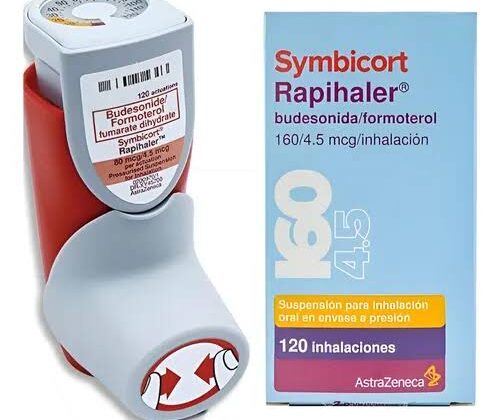
في خطوة لافتة أثارت اهتمام الأوساط المهنية في صناعة الدواء العالمية، أعلنت هيئة السلوك الدوائي البريطانية أن شركة أسترازينيكا قد خالفت مدونة السلوك الخاصة بصناعة الأدوية بسبب محتوى تسويقي لعقارها المعروف لعلاج الربو "Symbicort"
تدور تفاصيل القضية حول مادة ترويجية وُصفت بأنها مضللة لأنها أشارت إلى أن جميع المرضى المشتبه بإصابتهم بالربو أو الذين تم تشخيصهم حديثًا ممن تجاوزوا الثانية عشرة من العمر يمكنهم استخدام الدواء عند الحاجة كخيار علاجي أساسي
لكن هذا الطرح لا يتوافق مع الإرشادات البريطانية الرسمية التي تميّز بين الحالات البسيطة وتلك التي تحتاج إلى علاج منتظم يومي بالإضافة إلى الاستخدام عند الضرورة
رأت الهيئة التنظيمية أن هذا التعميم قد يؤدي إلى خلط في القرارات العلاجية ويشكّل خطرًا محتملاً على سلامة المرضى، معتبرة أن الرسالة التسويقية تجاوزت حدود الدقة العلمية. ورغم أن أسترازينيكا قبلت الحكم وأقرّت بوجود خطأ في الرسالة، فإنها أكدت في الوقت نفسه أنها لم تعرض سلامة المرضى لخطر مباشر
اللافت في هذه القضية ليس مجرد الواقعة نفسها، بل ما تكشفه من تحول عميق في فلسفة الحوكمة الدوائية
فالشركات العالمية اليوم لا تُحاسب فقط على جودة منتجاتها، بل أيضًا على دقة ما تنقله من معلومات إلى الممارسين الصحيين والجمهور. أصبحت المسؤولية تمتد إلى المعلومة ذاتها، لأنها قد تؤثر على قرارات وصف العلاج أو أنماط الاستخدام، وبالتالي على ثقة المريض بالنظام الصحي
إن التسويق الدوائي لم يعد مجرد أداة تجارية بل أصبح جزءًا من منظومة القيم المهنية التي تربط بين المريض والطبيب والشركة. وعندما تهتز هذه الثقة، يختل أحد أهم أركان النظام الصحي الحديث
ومع مراجعة أسترازينيكا لإجراءاتها الداخلية لضمان الالتزام مستقبلاً، تبقى الدروس المستفادة واضحة. الدقة الأخلاقية في الاتصال العلمي أصبحت لا تقل أهمية عن جودة التصنيع أو الأمان السريري
وتبقى هذه الواقعة رسالة مباشرة إلى الجهات التنظيمية في منطقتنا بضرورة مراقبة المحتوى التسويقي بدقة أكبر، وتوجيه الصيادلة والأطباء إلى التحقق من مصداقية الرسائل الدعائية قبل تبنيها مهنيًا
في النهاية، يمكن اعتبار هذه القضية نموذجًا دقيقًا لمفهوم جديد في عالم الدواء هو "حوكمة المعلومة الدوائية" الذي سيشكّل أحد أهم دعائم الممارسة الصيدلانية المعاصرة في السنوات المقبلة
AstraZeneca Between Transparency and Accountability
An Analytical Reflection on a Breach of the Pharmaceutical Code
In a development that drew wide attention within the global pharmaceutical community, the UK’s Prescription Medicines Code of Practice Authority announced that AstraZeneca had breached the industry’s code of conduct due to promotional material related to its well known asthma medication, Symbicort.
The controversy arose from a marketing message suggesting that all patients suspected or newly diagnosed with asthma, aged twelve and above, could use Symbicort on an as needed basis as a main therapeutic option.
This statement conflicted with official UK treatment guidelines, which distinguish between mild cases and those requiring regular daily maintenance treatment in addition to as needed use.
The regulatory authority concluded that such generalization could create confusion in treatment decisions and pose a potential risk to patient safety. It considered the message scientifically inaccurate and beyond acceptable promotional boundaries. Although AstraZeneca accepted the ruling and acknowledged errors in its communication, the company maintained that patient safety had not been directly compromised.
The significance of this case lies not merely in the incident itself but in what it reveals about the evolving philosophy of pharmaceutical governance.
Global companies are no longer judged solely by the quality of their products but also by the precision of the information they convey to healthcare professionals and the public. Responsibility now extends to the message itself, which has the power to influence prescribing behavior, treatment choices, and ultimately patient trust in the healthcare system.
Pharmaceutical marketing today has transcended its commercial function to become part of a broader ethical framework that connects the patient, the physician, and the company. When that trust is shaken, the entire structure of modern healthcare is affected.
As AstraZeneca reviews its internal procedures to reinforce compliance, the key lesson remains clear. Ethical accuracy in scientific communication is now as vital as clinical safety and product quality.
This incident serves as a reminder for regulatory bodies in the Arab region to strengthen oversight of promotional content and to guide pharmacists and physicians toward verifying the credibility of marketing messages before adopting them professionally.
Ultimately, this case stands as a precise example of what can be termed “Pharmaceutical Information Governance,” a concept destined to become a cornerstone of modern pharmacy practice in the years ahead.