Egypt is quietly building a new generation of pharmaceutical professionals who can speak both the language of molecules and the logic of machines.
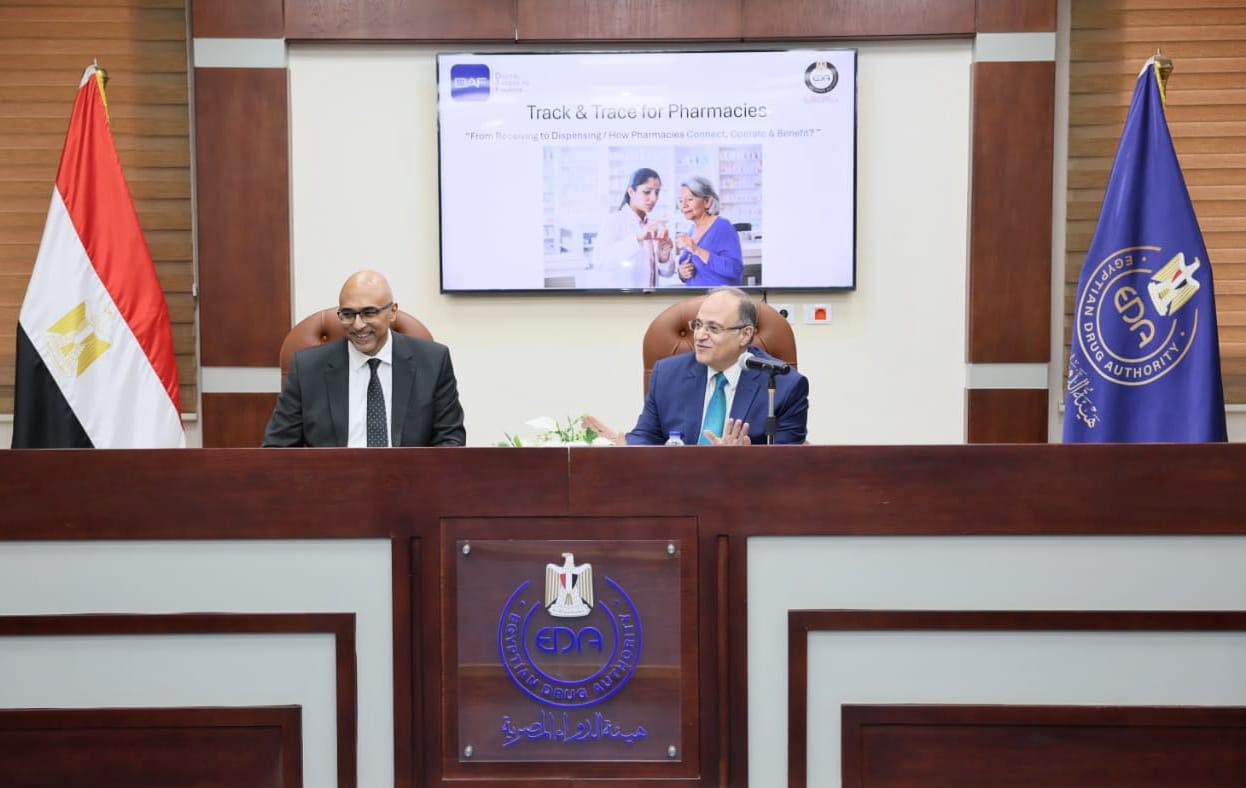
In 2025, the country entered into a landmark partnership with ITS Nuove Tecnologie della Vita in Rome, together with the Ministry of Technical Education, the Ministry of Health, and the Egyptian Drug Authority (EDA).
The outcome of that partnership will be the creation of five applied technology schools across Egypt, each blending the science of pharmaceuticals with the intelligence of digital technology. It is not merely a training initiative. It is a blueprint for future ready healthcare education.
Bridging Two Systems, One Vision
The five schools will be located in Cairo, Giza, Alexandria, and Qalyubia, forming an educational network that links local talent with global expertise.
Students will study for three years, with the option to extend for advanced specializations. Their fields will cover pharmaceutical manufacturing, clinical research, regulatory affairs, cosmetics, nutraceuticals, and medical devices.
Graduates will receive dual accreditation from both Egypt and Italy. In practical terms, this means a young Egyptian pharmacist could complete training in Cairo and be immediately recognized by a European institution in Rome.
The curriculum follows international quality standards including the WHO’s Good Manufacturing Practice (GMP) and Good Laboratory Practice (GLP) frameworks, as well as Italy’s benchmark for clinical trials and regulatory science.
It is a new academic dialect, where students are trained to think globally but serve locally.
The Regulatory Leap Forward
This educational reform arrives in parallel with another major step. Egypt’s medicine regulation has officially reached WHO Maturity Level 3, which means the country’s pharmaceutical regulatory system is now considered stable, transparent, and globally trusted. Egypt is the first nation in Africa to earn ML3 for both medicines and vaccines regulation, a milestone that places it among a handful of emerging markets ready to integrate with international pharmaceutical networks.
But the journey does not stop there. The EDA is now targeting Maturity Level 4, which involves embedding artificial intelligence, digital monitoring, and data driven legislation into the entire regulatory process. The move would position Egypt among the world’s most advanced oversight systems.
Building for Export Power
According to the latest PharmaConex report, the ML3 status is expected to be a game changer for Egyptian pharmaceutical exports.
It provides a trusted gateway into new markets and builds confidence among foreign regulators.
In recent months, Egypt has been actively aligning its drug approval and licensing systems with several countries including the Philippines, Belarus, Uzbekistan, and Malawi. Memoranda of Understanding were also signed with Brazil and Senegal to facilitate mutual recognition and regulatory collaboration.
Such alignment is more than diplomacy. It is the scaffolding of trade.
Fitch Ratings projects that Egypt’s pharmaceutical exports will rise by nearly 40 percent between 2025 and 2029, reaching approximately 466 million US dollars.
During the same period, Egypt’s pharmaceutical sales are expected to grow from 5.7 billion to 6.8 billion US dollars, while the number of pharmaceutical factories could rise from about 180 to 250 by the end of the decade.
This expansion, if sustained, will narrow the pharmaceutical trade deficit and strengthen Egypt’s position as a regional production hub.
However, growth will only translate into export strength if local manufacturing can consistently outpace domestic demand. The EDA requires that every exporter maintain several months of stock before receiving an export license, ensuring that exports never compromise national supply.
The message is clear: Egypt will grow globally, but never at the expense of its own patients.
From Learning to Earning
The new generation of graduates from these applied schools will not simply be job seekers. They will be innovators and system builders.
They will enter a market that needs professionals capable of bridging manufacturing science with digital compliance, quality systems, and international export requirements.
If executed with the right industry partnerships, these schools could become the backbone of Egypt’s pharmaceutical renaissance. They could supply the human capital needed for sustained localization, while reinforcing the country’s credibility abroad.
The Bigger Picture
Egypt’s story today is not only about manufacturing pills or building factories. It is about designing an entire ecosystem where education, regulation, and production move in harmony.
The partnership with Italy reflects a mature understanding of what the pharmaceutical future demands: competence, compliance, and connectivity.
Each student trained under this model represents a micro export of trust, skill, and scientific literacy.
If Egypt succeeds in nurturing this ecosystem, it will not just export medicines.
It will export confidence.